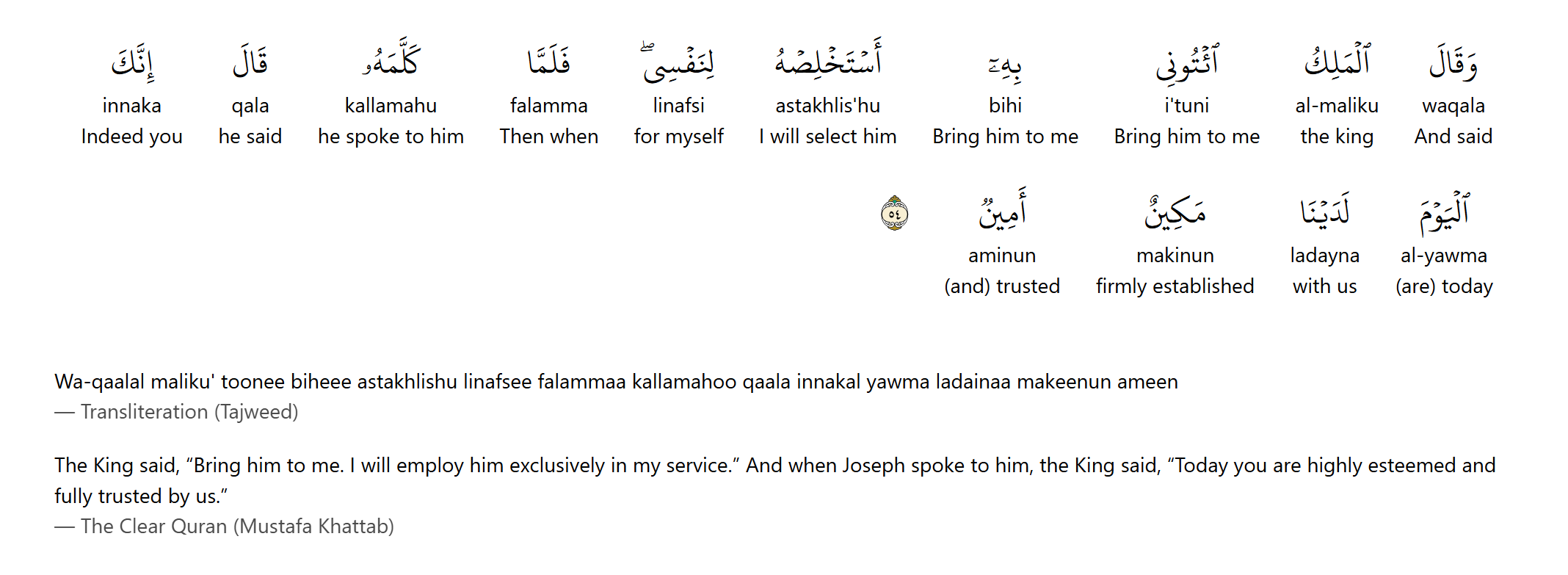
SURAH YUSUF (JOSEPH): AYAH 54 (QURAN 12:54)
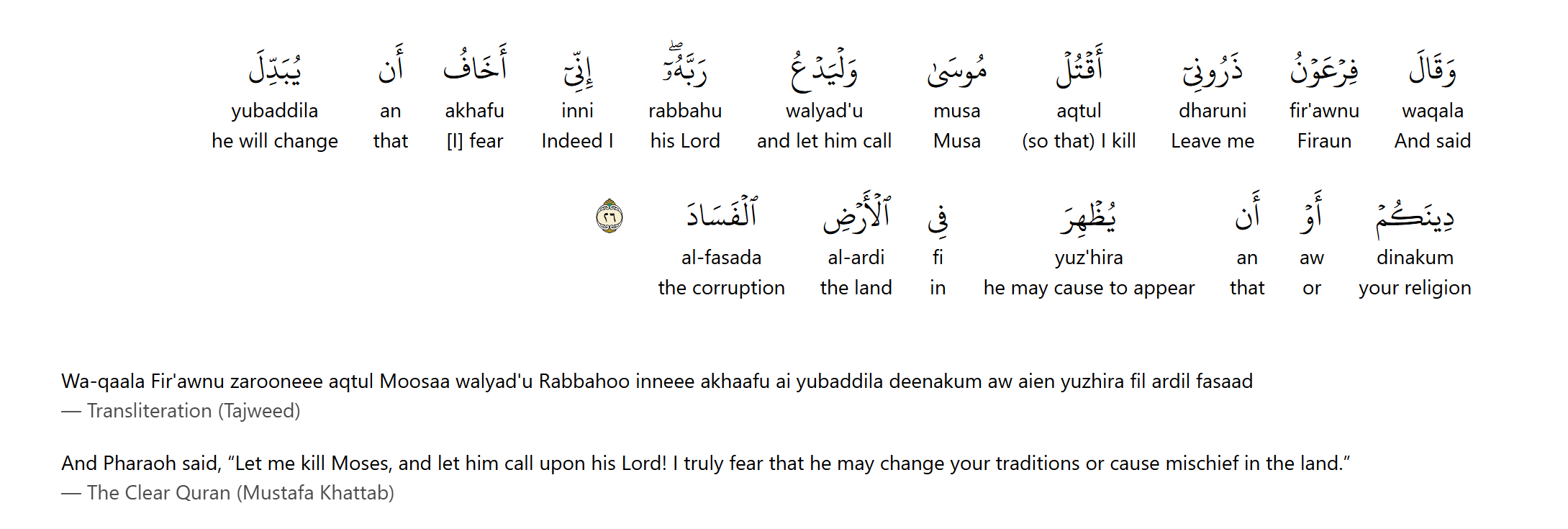
SURAH AL GHAAFIR (THE FORGIVER): AYAT 26 (QURAN 40:26)
In Surah Yusuf (12:43), the Quran says:
“And the king said, ‘Indeed, I have seen [in a dream] seven fat cows being eaten by seven [that were] lean…’”
The Quran used the Arabic term “ al-maliku” which is commonly interpreted as “king”. This ruler is never referred to as “Pharaoh” in the entire chapter. This is historically accurate. Scholars such as Dr. Charles Aling (President of the Institute for Biblical Archaeology) notes that Yusuf (pbuh) likely lived during the Hyksos period (circa 1700–1550 BCE), when Egypt was ruled by Semitic kings, not native Egyptian Pharaohs. The Hyksos was likely a dynasty of Palestinian origin that ruled northern Egypt as the 15th dynasty (c. 1630–c. 1530 bce; see ancient Egypt: The Second Intermediate period). The name Hyksos was used by the Egyptian historian Manetho (flourished c. 300 bce), who, according to the Jewish historian Flavius Josephus (flourished 1st century ce), translated the word as “king-shepherds” or “captive shepherds.” Hyksos was in fact probably an Egyptian term for “rulers of foreign lands” (heqa-khase), and it almost certainly designated the foreign dynasts rather than an ethnic group. Modern scholarship has identified most of the Hyksos kings’ names as Semitic.
These Hyksos rulers did not use the title “Pharaoh,” which only became common in the New Kingdom period, starting around 1550 BCE.
Yet, both the King James Bible (Genesis 41:1) and the Torah translations refer to the ruler in Joseph’s time as “Pharaoh”:
“And it came to pass at the end of two full years, that Pharaoh dreamed…” — Genesis 41:1, KJV
This anachronism reflects a lack of historical nuance in earlier scriptures or their translations. The term “Pharaoh” was retroactively applied, even though it wasn’t used during Joseph’s era.
🏺 Musa and the “Pharaoh” of Egypt
In contrast, the Quran consistently refers to the ruler during Musa’s time as “Pharaoh” (Arabic: Fir‘awn), such as in Surah Al-Qasas (28:4):
“Indeed, Pharaoh exalted himself in the land and made its people into factions…”
Notice the Quran using the arabic word – “firaun” for the ruler at the time of Musa (Moses). This aligns with the historical timeline perfectly. Musa is believed to have lived during the New Kingdom, when the title “Pharaoh” was widely used by Egyptian monarchs. The New Kingdom (c. 1550–1077 BCE) was the peak of ancient Egypt’s power, prosperity, and territorial expansion, transforming it into an empire that ruled from Syria to Sudan. It is defined by the 18th, 19th, and 20th dynasties and includes famous pharaohs like Hatshepsut, Thutmose III, Akhenaten, Tutankhamun, and Ramesses II. Scholars often associate Musa’s Pharaoh with Ramesses II or Merneptah, rulers of the 19th Dynasty.
The Quran foretells the preservation of Pharaoh’s body as a sign for future generations—a prophecy that modern science has also confirmed. In Surah Yunus: Ayat 92 (10:92),
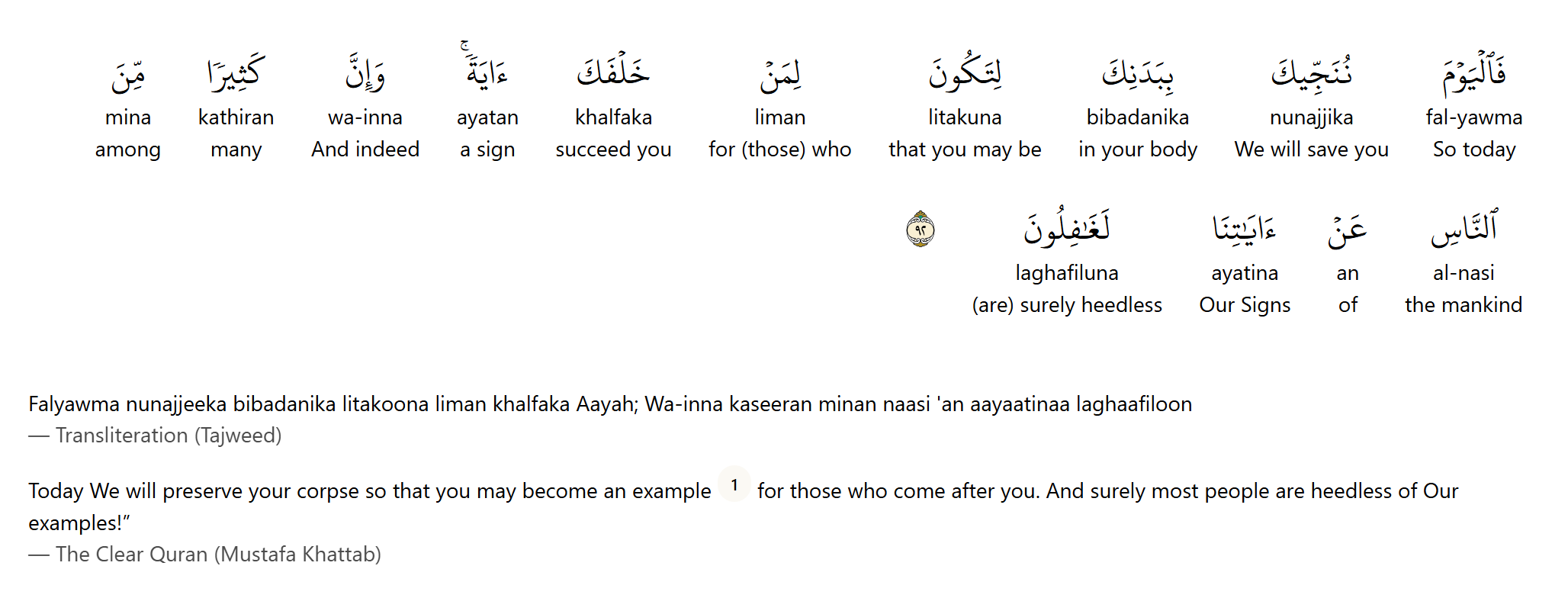
Allah declares: “This day We will preserve your (Pharoah’s) corpse so that you may be a example to those who come after you. And surely most people are heedless of Our examples!” This verse refers to the Pharaoh who pursued Prophet Musa (Moses) and drowned in the Red Sea. Unlike other drowned victims whose bodies decay rapidly, this Pharaoh’s corpse was miraculously preserved. The Quran’s specificity here is remarkable, especially considering that mummification was typically reserved for those who died naturally, not those lost at sea. The verse stands as a powerful testament to divine intervention and historical foresight.
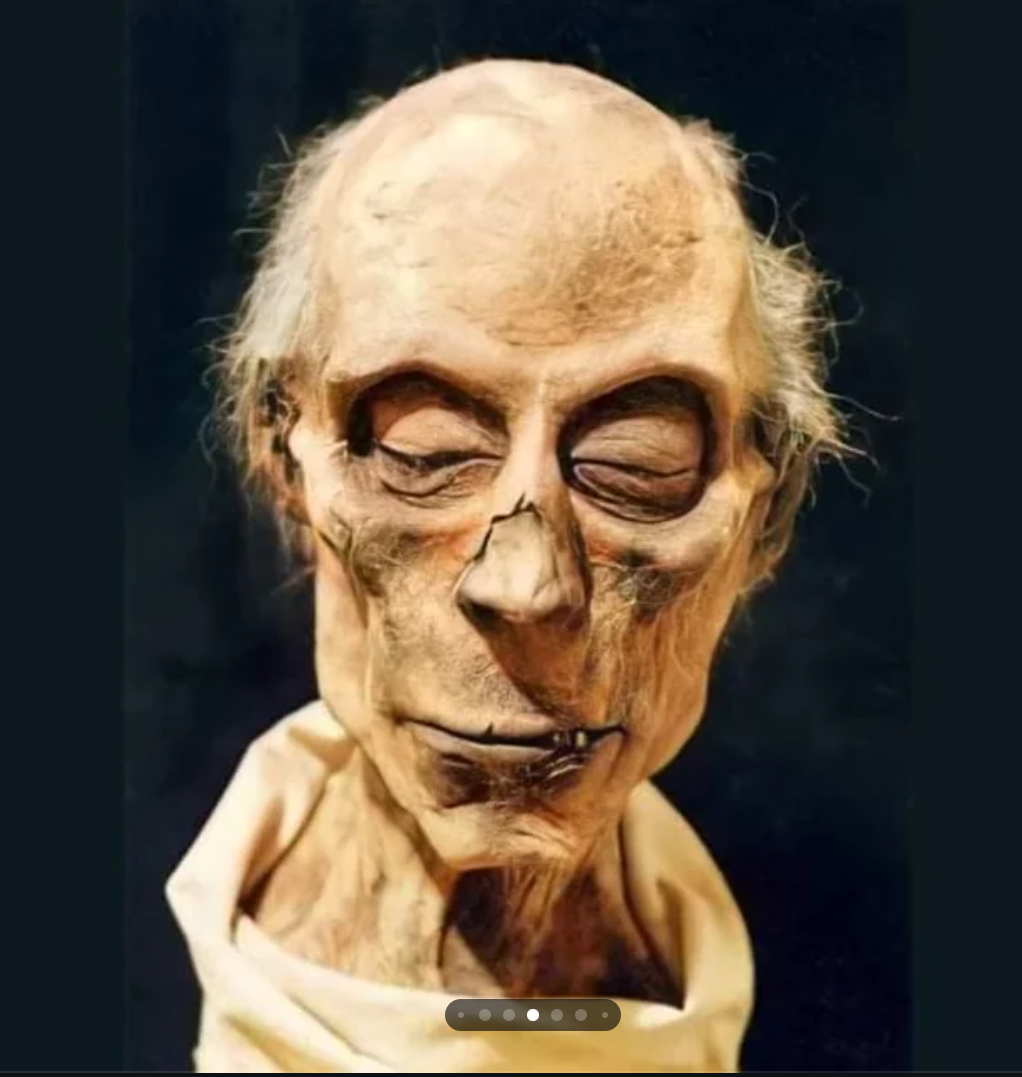
Scientific investigations into the mummy of Ramesses II—widely believed to be the Pharaoh of the Exodus—have revealed compelling evidence of drowning. French researcher Dr. Maurice Bucaille, after examining the body in the 1970s, found traces of salt embedded in the corpse, suggesting death by submersion in water. The mummy also showed signs of rapid post-mortem preservation, consistent with a body retrieved quickly after drowning. These findings align strikingly with the Quranic narrative, which not only stated the Pharaoh’s demise but also his body’s preservation as a sign for humanity. This convergence of scripture and science continues to inspire awe and reflection across faiths and disciplines.
The Quran’s accurate use of titles—“King” for Yusuf’s ruler and “Pharaoh” for Musa’s—demonstrates a level of historical awareness that was not accessible to seventh-century Arabia. This distinction was not clarified by archaeology until the 19th and 20th centuries. The Quran’s precision here is not only linguistically elegant but also historically astonishing.
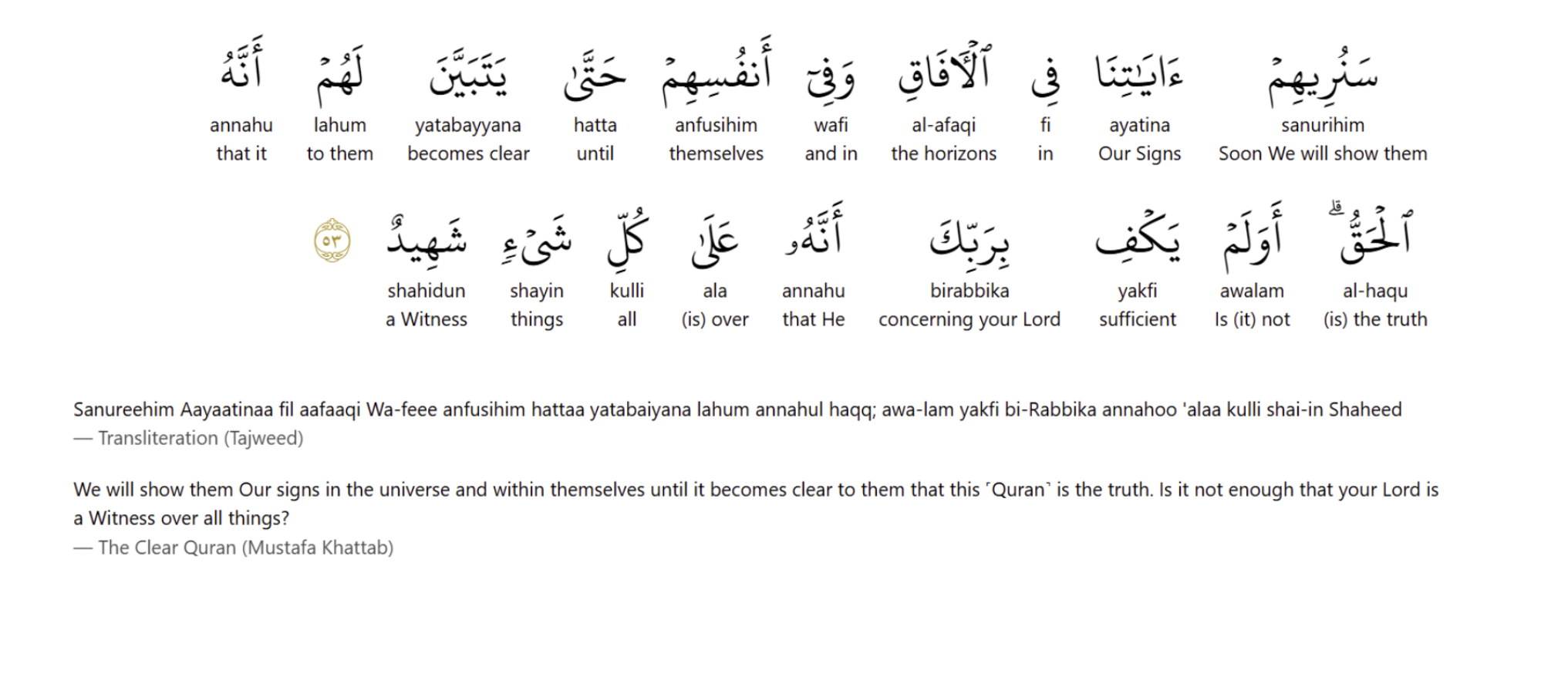
In Surah Fussilat (Quran 41:53) – Allah (swt) says: We will show them Our signs in the universe and within themselves until it becomes clear to them that this ˹Quran˺ is the truth. Is it not enough that your Lord is a Witness over all things?